Zebra Boy Embroidery: A Designer's Market Review
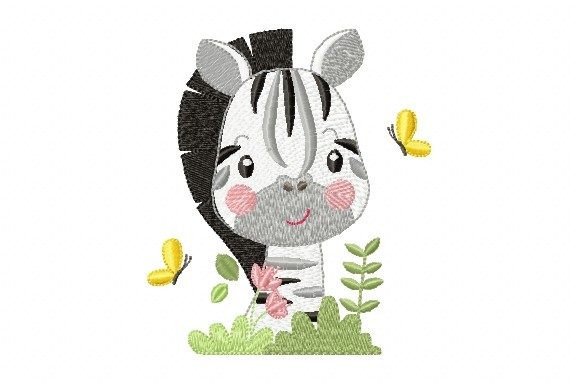
As a professional embroidery designer preparing for a weekend craft fair, my first task is to evaluate every new design not just for its charm, but for its real-world selling potential. When I look at Zebra Boy, my immediate impression is one of friendly, playful, and utterly cute appeal. This design falls squarely into the beloved Baby Animals category, a perennial favorite at handmade markets. Its character feels soft and approachable, perfect for adding a decorative, heartwarming accent to a range of products.
Where Zebra Boy Stands Out in a Booth Display
Imagine your table: tote bags, aprons, tea towels, caps, and pillow covers all competing for customer attention. Zebra Boy has a specific niche. Its charm is its strength, but it needs the right canvas. On a stark white tea towel or a minimalist market bag, this embroidery becomes a bold, delightful focal point. On children’s clothing or small fabric pouches, it acts as a perfect small accent. For a craft fair booth, I would prioritize creating a few standout pieces that showcase its personality.
A brightly colored tote bag with Zebra Boy prominently placed near the top will catch eyes from across the aisle. An embroidered patch version allows for versatility—customers love the idea of applying it to their own items. However, I would hesitate to place it on heavily textured towels or curved cap surfaces unless the design has been tested; small details can lose clarity on such fabrics.
Practical Production: From File to Finished Product
Turning a digital embroidery file into a sellable craft fair product requires careful planning. For Zebra Boy, the description suggests a "cute" and "adorable" design, which often implies softer lines and potentially denser stitch areas in features like the muzzle or stripes. Here are my key production notes for any embroidery business owner:
- Always test on scrap fabric first. Use the same material you plan to sell (e.g., cotton for totes, linen for towels). This reveals how the design behaves.
- Check thread contrast. A design like this likely relies on clear contrast between the zebra and the background. On dark fabric, you may need a lighter backing or a different color palette to maintain its friendly feel.
- Review stitch density and stabilizer. For smoother fabrics like pouch linen or pillow covers, a standard cut-away stabilizer might suffice. For towels or bags, a firmer stabilizer can prevent puckering, especially in dense areas.
- Create at least one real mockup. Never rely only on printable mockups for your Etsy listings. A real photo of Zebra Boy on an actual apron shows the handmade quality and texture that sells products.
- Confirm the commercial licensing of the embroidery file before producing items for sale. The description provided does not specify this, so it is an absolute must-check for any small shop product.
Maximizing Sales: Customer Appeal and Product Value
The success of a design like Zebra Boy hinges on how it connects with customers at the point of sale. Its visual appeal is immediate and emotional—it targets parents, gift-givers, and anyone looking for a whimsical touch. This directly affects perceived product value. An embroidered pillow cover featuring Zebra Boy feels more premium and giftable than a plain one.
For buyer engagement, it’s a conversation starter. At your booth, you can highlight its suitability for children’s items, but also its versatility. Does it look good as a single large design on a tea towel, or as a repeated pattern on a border? Testing this helps. Furthermore, its clarity at a glance is crucial online. For your Etsy listings or digital shop, photographs must show the design’s detail and thread work clearly. A blurry or poorly lit image of a small embroidered patch will not convey its charm.
Design Considerations for Batch Production
If you plan to produce multiple items, like a batch of embroidered tote bags for your fair, consider the repeatability of Zebra Boy. Is the hoop size manageable for your machine and your typical product dimensions? The description does not specify a hoop size, so you must verify this from the embroidery file itself. A design that fits comfortably in a common hoop size (like 4x4 or 5x7) speeds up production.
Also, consider thread colors. A simpler color palette means faster thread changes and more consistent results across multiple items, strengthening your brand consistency. Complex designs with many color changes can slow down batch production. Assess the design for tiny details or small lettering (if present) that might become fuzzy at smaller sizes or on textured fabrics—this is a common pitfall for machine embroidery designs intended for resale.
Final Recommendations for Craft Fair Success
In my judgment as an embroidery designer preparing for a market, Zebra Boy is a strong candidate for specific product lines. It is not a universal fit, but where it fits, it excels. I would focus my efforts on:
- High-visibility, flat-surface products: Tote bags, pillow covers, and aprons where the design can be centered and appreciated.
- Small, giftable accents: Fabric pouches, small patches, or children’s bibs where it serves as a cute detail.
- Booth samples that tell a story: Create one "perfect" item, like a beautifully finished tea towel, as your display hero. This demonstrates the highest quality and attracts customers to your other Zebra Boy products.
Ultimately, the Zebra Boy embroidery design offers a friendly and playful vibe that resonates with the handmade market audience. By pairing it with the right products, paying close attention to production details like stabilizer and fabric choice, and ensuring you have the proper license to sell commercial embroidery products, you can turn this adorable design into a reliable seller for your craft fair booth and your small shop.