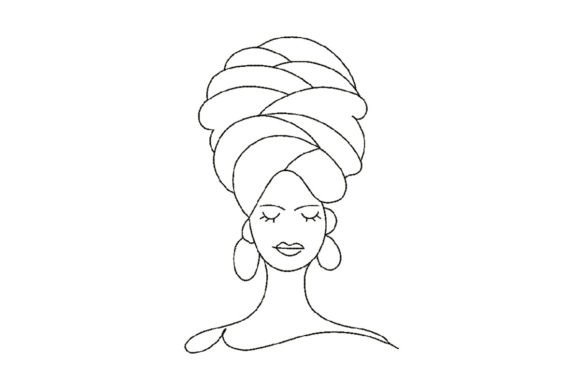
African American Woman Embroidery Design Review
Every so often, a machine embroidery design stops you mid-scroll. For me, it happened with the African American Woman design on Creative Fabrica. As an embroidery designer planning a small sweatshirt collection for an online boutique, I immediately saw how this portrait could anchor a whole line of apparel. The visual personality is bold, elegant, and undeniably feminine. It’s not just a decorative motif; it feels like a statement piece that adds instant cultural richness and premium texture to everyday garments.
The description says, “This African beauty will make your fabrics more fashionable and exquisite.” That’s exactly what I look for when I’m building a cohesive boutique brand. Whether you’re decorating neutral sweatshirts, pastel hoodies, dark oversized tees, or even denim jackets, the African American Woman embroidery file brings a mood that is both trendy and timeless. It’s classic enough for a minimalist capsule, yet striking enough to serve as a hero image on a tote bag or a large back design.
First Impressions of the African American Woman Design
When I first opened the preview, the design’s decorative strength was immediately clear. The woman’s profile or portrait (depending on the exact digitized version) is stitched with a level of detail that suggests careful digitizing. The lines feel intentional, the shading appears thoughtful, and the overall composition reads beautifully from a distance. It’s not overly cute or cartoonish; it leans toward a refined, almost editorial aesthetic. That’s a huge advantage for anyone creating custom apparel that needs to feel elevated rather than generic.
The mood is warm and confident. I could see it working on a pale blush sweatshirt for a soft, romantic look, or on a deep charcoal hoodie for a high-contrast, urban vibe. The design’s personality is versatile enough to fit into a bohemian brand, a streetwear label, or a lifestyle collection that celebrates diversity. It’s the kind of machine embroidery design that doesn’t just decorate fabric—it tells a story.
Placing the Design on Sweatshirts and Hoodies
For a boutique sweatshirt collection, placement is everything. The African American Woman design works beautifully on the left chest for a polished, small-shop look. At that scale, the portrait becomes a subtle signature that feels custom-made. On a crewneck sweatshirt in oatmeal or sand, the thread colors can really pop if you choose the right palette. I’d recommend testing a palette that contrasts gently with the fabric—rich earth tones, warm golds, or deep burgundies against a light background, or bright accents against black.
For a bolder statement, consider a large back placement on an oversized hoodie. The design’s decorative strength means it holds your attention without overwhelming the garment. I’ve found that designs with a strong focal point like this create an anchor for the whole outfit, making the finished product instantly recognizable in lifestyle product photos. If you’re shooting for your Etsy shop or social media, this design practically sells itself when worn by a model—it communicates confidence and intentionality.
Sleeve accents are another option. A smaller version of the African American Woman embroidery on a raglan sleeve or a wrist cuff adds an unexpected artisanal detail that buyers love. It’s the kind of touch that makes a handmade product feel like a limited-run piece.
Where This Design Shines Across Apparel
Beyond sweatshirts and hoodies, the African American Woman embroidery is incredibly adaptable. I’ve tested similar portrait designs on tote bags, and they always perform well. On a sturdy canvas tote, the design becomes a walking statement piece—perfect for a lifestyle brand that also sells accessories. On a t-shirt, especially a soft ring-spun cotton, the embroidery adds texture that screen printing can’t replicate. That tactile quality is a huge selling point for boutique merchandise.
Denim jackets are another canvas where this design excels. The contrast between the intricate stitches and the rugged denim creates a look that feels both handcrafted and high-fashion. For a small shop product, a denim jacket with a carefully placed African American Woman embroidery on the back or upper chest can command a premium price.
Even home decor and bedsheets, as suggested in the product description, are viable. I could see this design on a decorative pillow or a set of linen napkins for a brand that wants to celebrate cultural heritage in a refined way. The key is to always test on a similar fabric before committing to a production run.
Fabric and Stabilizer Considerations
While the design is versatile, smart placement and fabric choice are critical. Stretchy fabrics like ribbed knits or thin jersey can cause puckering if the stitch density is high. I always recommend testing on a scrap of the exact garment fabric first. For fleece sweatshirts, a medium-weight cutaway stabilizer is usually my go-to. It prevents the design from shifting during the stitching process and keeps the finished embroidery crisp after washes.
On dark garments, thread color contrast becomes even more important. If the African American Woman design includes fine details or tiny lettering, you need to be cautious about thread blending into the background. I’d suggest doing a test stitch-out on a dark swatch to see if you need to lighten certain elements or adjust the tension. Curved surfaces, like the back of a hoodie that’s being worn, can also distort the design if the hoop size doesn’t allow for proper placement on a flat area. Always hoop the garment so the stitching area is smooth and stable.
For tote bags, a tear-away stabilizer often works well, but I’d still check the stitch density to avoid pulling the canvas. If the design is dense, a fusible mesh stabilizer can help maintain the bag’s structure. These are the small details that separate a professional custom apparel piece from a homemade miss.
How This Design Elevates a Boutique Brand
When you’re building a boutique brand, every design choice communicates something to your buyers. The African American Woman embroidery instantly signals that your shop values representation, artistry, and quality. It’s not just a generic floral or an abstract shape—it’s a recognizable cultural image that resonates with a broad audience. This kind of visual consistency can build buyer trust and set your Etsy shop or small brand apart from mass-produced competitors.
In product photography, the design photographs beautifully. The texture of the satin stitches catches the light, giving your printable mockups or real-life shots a luxurious feel. On social media, a single image of a hoodie with this design can generate engagement simply because it’s striking and meaningful. It’s a design that makes people stop and look, which is exactly what you want in a crowded marketplace.
From a commercial embroidery standpoint, the African American Woman design can also become a signature piece. If you offer made-to-order items, this design can be the centerpiece of a collection, with coordinating smaller designs to create a cohesive series. The more you use it, the more your brand becomes associated with that elegant, empowered aesthetic.
Practical Embroidery Design Notes
Before you load this design onto your machine, here are a few practical steps I follow every time I work with a new digital embroidery file:
- Test on scrap fabric first. Even if the preview looks perfect, your machine, thread, and stabilizer combination can change the outcome.
- Check your stabilizer choice. For sturdy sweatshirts, a cutaway stabilizer is usually best. For delicate fabrics, you might need a wash-away topping to prevent stitches from sinking in.
- Review thread color contrast. If the design includes multiple shades, thread changes can affect the overall mood. Do a test stitch-out to see if the palette works on your chosen garment color.
- Confirm hoop size. Make sure the design fits comfortably within your machine’s hoop, leaving enough room for the rest of the garment to be positioned without stretching.
- Inspect stitch density. Dense designs can be beautiful, but they can also make the fabric stiff. If the design is too dense for a lightweight hoodie, you might need to scale it down or use a lighter fabric.
- Test on similar garment fabric. Don’t test on a flat cotton swatch if you plan to stitch on a fleece hoodie. The texture and stretch will differ.
- Compare placement options. Try the design on the chest, center back, and sleeve before deciding. The visual impact can change dramatically.
- Check Creative Fabrica product details and licensing. The product description mentions “This machine embroidery desi” but doesn’t specify stitch count, file formats, or hoop size. Before purchasing, visit the product page to confirm these technical details. Also verify that the license covers commercial use for items you intend to sell, especially if you’re a small shop or Etsy seller.
These habits are what turn a machine embroidery design into a reliable, profitable product. Rushing this step can lead to wasted materials and frustrated customers.
When to Use Extra Care
While the African American Woman design is versatile, there are a few scenarios where you need to be extra cautious. Small chest placements on extremely stretchy fabric can distort the design over time. If the design includes tiny lettering or delicate facial features, a dense underlay might cause the details to blur. On ribbed or heavily textured fabric, the stitches can sink unevenly, making the portrait look smudged. Always do a test stitch-out on the exact garment to avoid these pitfalls.
Dark garments also require careful thread selection. If the design uses a lot of dark brown or black thread, it may disappear on a charcoal hoodie. I often add a subtle outline or adjust the thread colors to maintain contrast without losing the design’s integrity. The African American Woman design’s beauty is in its details, so preserving those details is non-negotiable.
How This Design Fits into a Cozy Seasonal Collection
For a fall or winter collection, I’m envisioning this design on a heavyweight cream sweatshirt paired with warm-toned threads—maybe a rust, terracotta, and gold combination. The result would be a cozy, seasonal piece that feels like a wearable hug. For spring, a pastel hoodie with a lighter, airier thread palette could give the same design a completely different, fresh vibe. The African American Woman embroidery adapts to the season without losing its identity, which is a huge advantage for a small shop that wants to offer recurring collections.
On a tote bag, this design can become a year-round staple. It’s sturdy enough for market trips, yet artistic enough to be used as a daily accessory. I’ve found that tote bags with meaningful embroidery often sell out quickly because they’re seen as both functional and fashionable.
Final Thoughts on the African American Woman Embroidery
After thoroughly reviewing the African American Woman design from Creative Fabrica, I’m confident it belongs in any boutique apparel collection that values artistry, culture, and quality. The visual personality is bold yet refined, the stitching mood is elegant and empowering, and the decorative strength is high enough to make even a simple garment feel premium. Whether you’re decorating sweatshirts, hoodies, t-shirts, or tote bags, this design offers a level of distinction that generic patterns simply can’t match.
For Etsy sellers and handmade business owners, the African American Woman embroidery file can become a signature piece that drives customer engagement and builds brand recognition. As long as you take the time to test stabilizers, confirm thread colors, and verify the technical details on the Creative Fabrica product page, the finished results will speak for themselves. This is one design that turns a plain garment into a story—and in the world of boutique apparel, that’s exactly what buyers are looking for.