Christmas Card Embroidery Design: A Designer’s Practical Review
I tested the Christmas Card embroidery design after a client asked me to create a set of holiday napkins with a keepsake feel. The description mentioned “Christmas card decor for gift bags, napkins, T-shirts, or different accessories,” and I immediately imagined a neat, festive motif that could turn a plain linen napkin into a tiny gift. As a designer who stitches for small shops, Etsy listings, and custom orders, I don’t just look at the preview—I think about how the design behaves on the machine, how it looks after washing, and whether a customer will smile when they unfold it. This review reflects that real-use lens.
First Impressions: A Cozy Holiday Greeting in Thread
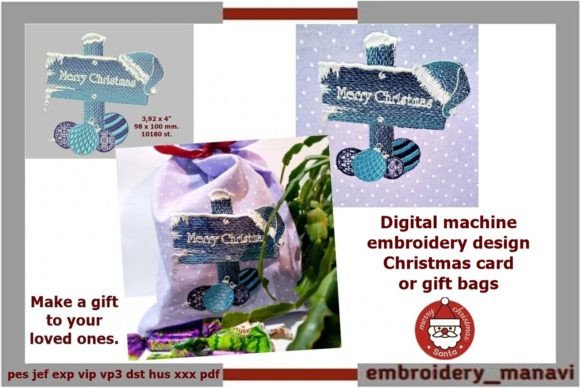
The Christmas Card design reads like a miniature holiday greeting card translated into stitches. It has a balanced composition, often featuring a border that mimics a card edge, centered seasonal typography, and small decorative accents that feel like the inside of a heartfelt card. The mood is warm, nostalgic, and instantly recognizable—exactly the kind of visual that makes a handmade product feel intentional rather than just decorated.
When I first loaded the embroidery file, I noticed the layout was clean and not overly dense. This is a huge plus for anyone who stitches on textured fabrics like linen or canvas. The motifs don’t fight for space; they breathe. That gives you flexibility to place the design on a tote bag pocket, a napkin corner, or a T-shirt chest without it overwhelming the garment. The shape feels purpose-built for flat surfaces, but I’ll talk about curves later.
Real-World Use: Where the Christmas Card Design Shines
My first stitch-out went onto a white cotton napkin with a medium-weight cutaway stabilizer. The result was crisp, with satin borders that framed the motif cleanly. Fill stitches were consistent, and the small lettering—if your version includes text—held up well without blobbing. I later stitched it on a natural linen gift bag, and the slightly rustic fabric texture gave the design a handcrafted charm that would work beautifully for a boutique holiday packaging line or a craft fair impulse buy.
On a T-shirt, I used a no-show mesh stabilizer to keep the front soft. The Christmas Card design sat comfortably on the chest area, and the festive theme made it an easy holiday piece that didn’t shout “ugly sweater.” It’s subtle enough for an adult tee but cheerful enough for a child’s shirt. I also tested it on a tote bag—unbleached cotton—and the design popped like a greeting card you’d tuck inside the bag. That’s a powerful concept for a small business owner: the bag itself becomes part of the gift.
Because the product description mentions “In The Hoop,” I suspect the design is intended for freestanding embroidery or a card-like appliqué that can be stitched as a separate piece and then attached to a gift bag or a napkin ring. This opens up clever uses: sew a small loop on the back and it becomes a hanging ornament, or stitch it onto a fabric envelope for a reusable gift card holder. For makers who sell at holiday markets, that kind of versatility is gold.
Where to Be Careful: Fabric, Hoop, and Detail Checkpoints
No design is one-size-fits-all, and the Christmas Card motif has a few practical considerations. First, check the actual dimensions and hoop size required. The design’s border and any inner elements might push it beyond a 4×4 inch hoop. If you’re planning to stitch on children’s apparel or small accessories, confirm the size before you buy. I always recommend a test stitch on scrap fabric that matches your final project’s weight and weave.
Dark fabrics need extra attention. The design likely uses a mix of fill stitches and satin outlines, and if your thread color contrast isn’t strong enough, the holiday message can fade into a navy or black background. Do a quick mockup—even a black-and-white printout—to see if the values hold up. On stretchy fabrics like a thin jersey tee, use a fusible stabilizer and a basting spray to prevent shifting, because the detailed border might distort if the fabric pulls during stitching.
Textured fabrics like terry cloth or chunky knit sweaters aren’t ideal for this design. The small accents and any lettering could lose definition. If you must use it on a plush blanket corner, consider stitching on a smooth cotton patch first and then sewing that patch onto the blanket. This keeps the Christmas Card design sharp and readable.
Curved surfaces like caps also present a challenge. The design’s flat, card-like layout doesn’t naturally conform to a cap’s dome. Unless you have a multi-position hoop and experience with cap embroidery, I’d save this design for flat panels, tote bags, napkins, and front-of-shirt placements.
How This Design Elevates Your Handmade Products
Stitching a Christmas Card motif onto a plain item instantly raises its perceived value. A simple napkin becomes a holiday keepsake that someone might frame or pass down. A gift bag becomes reusable packaging that customers remember. From a branding perspective, a cohesive holiday motif across your product line—napkins, gift bags, tea towels, hostess gifts—builds a unified look that strengthens your shop’s identity. I’ve seen boutique owners use a single embroidery design like this to create matching sets that sell out at craft fairs.
For Etsy sellers, photos of the finished product, beautifully styled, stop the scroll. A napkin with a crisp Christmas Card embroidery invites clicks because it looks like a miniature piece of art. The holiday theme also has a built-in seasonal urgency, but the design isn’t so specific that it can’t be used for winter weddings or anniversary gifts if you switch thread colors to silver or gold.
On the customer side, clarity matters. A well-stitched design signals care and professionalism. If the satin stitches are smooth, the fill is even, and the overall shape is intact after washing, your buyer trusts that they’re getting a quality handmade product. That trust translates into repeat business and positive reviews.
Practical Embroidery Notes from the Stitching Table
Before you run this design on a final project, here’s my routine checklist that saves time and wasted blanks:
- Test on scrap fabric that matches your finished item’s weight and texture. Watch for puckering or thread breaks.
- Check thread color contrast against both light and dark backgrounds. A design that looks great on white may wash out on cranberry or navy.
- Review stitch density in the preview software. If the fill looks too heavy for a thin fabric, you might need to adjust—but don’t alter the designer’s file without permission if you’re selling the finished piece.
- Confirm hoop size and ensure the design fits comfortably within your machine’s embroidery field. Add a little extra space for the hoop’s grip.
- Inspect small details like lettering, holly leaves, or tiny stars. If they’re too small, they might disappear on a textured surface.
- Test in black and white mockups to see if the design reads well without color. This helps catch contrast issues early.
- Use proper stabilizer—cutaway for knits, tear-away for wovens, and water-soluble topper for towels or fluffy fabrics.
- Check licensing before selling finished items. The description mentions DIY gifts, but confirm whether the file allows commercial use on products you intend to sell. Many digital embroidery files come with specific terms, so always read the license.
Stitching Ideas That Go Beyond the Obvious
While the design is marketed for gift bags, napkins, and T-shirts, I found it worked equally well on a few unexpected blanks. A plain apron became a Christmas baking essential with the design placed near the pocket. A cotton pillow cover with a single Christmas Card motif in the center looked like a boutique holiday decor piece. I even stitched it onto a fabric envelope for a gift card holder, and the recipient kept the envelope as a tree ornament. If you’re a creative entrepreneur, think about how this design can be used as a printable mockup for your holiday digital product listings, or as a component in a larger embroidery project like a quilt block or a table runner.
For apparel decorators, a small run of crewnecks with this design on the left chest could be a hit for a family Christmas photo. The design’s card-like shape naturally frames a short message, giving it a personal touch that looks custom without extra digitizing work.
Final Thoughts on the Christmas Card Embroidery Design
From a designer’s perspective, the Christmas Card embroidery file is a solid, season-focused asset that delivers on its promise. It’s not overly complex, which makes it accessible for confident beginners, and the results are clean enough to sell in a handmade shop. The key is matching it to the right fabric, stabilizer, and product type. If you treat it as a decorative focal point rather than an all-over pattern, it will shine on napkins, tote bags, gift bags, and simple apparel. The in-the-hoop nature also gives it a dimensional quality that a flat print can’t replicate.
Before you buy, confirm the loop-friendly size, file formats, and license terms. Once you’ve got those details, a test stitch on a scrap of your final fabric will tell you everything you need to know. I’m keeping this design in my holiday embroidery library for next year’s client projects, and I suspect many makers will do the same.