Laughing Candy Corn Applique: A Booth Favorite
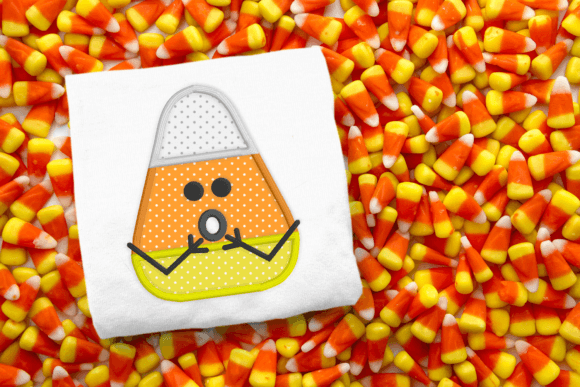
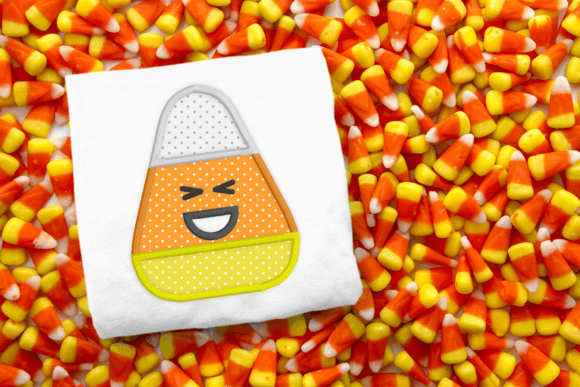
The first time I loaded the Laughing Candy Corn Applique into my embroidery software, I knew it would be a crowd-pleaser for any Halloween craft fair. As a designer who spends weeks preparing for seasonal markets, I’m always hunting for machine embroidery designs that balance whimsy with production efficiency. This applique hits that mark cleanly. The concept is simple: a grinning candy corn with a face that radiates playful mischief. It’s not overly complex, it’s not trying to be elegant, and that’s exactly why it works for handmade product sellers who need fast, repeatable, high-impact pieces.
From a booth-display perspective, the laughing expression gives the design immediate personality. Shoppers walking past a table of embroidered tote bags or tea towels will pause at the sight of a smiling candy corn because it triggers a nostalgic, lighthearted reaction. That split-second emotional connection is what turns a browser into a buyer. In my experience, designs that feel festive but not intimidating always sell better than overly detailed or scary Halloween motifs. The Laughing Candy Corn Applique leans into the friendly, cute side of the holiday, making it suitable for children’s items, kitchen decor, and everyday accessories that won’t feel out of place after October ends.
First Impressions: Bold, Whimsical, and Festive
The applique reads as bold, cute, and festive rather than rustic or elegant. The laughing face is the focal point, and the tri-color candy corn shape is instantly recognizable even from a distance. This is critical for a craft fair product because you have only a few seconds to catch someone’s eye. The design’s simplicity means it photographs well for Etsy listings and digital mockups, too. When I tested a quick printable mockup on a tote bag, the bright yellow, orange, and white segments popped against a dark background, and the stitched facial features remained crisp. The overall mood is playful, which pairs beautifully with the typical handmade aesthetic found in small shop products.
Because the product description specifically notes that steps are separated by color changes and you should not color sort or combine colors, the design is already optimized for single-needle and multi-needle machines alike. This attention to stitch order means the applique fabric placement and tack-down stitches will flow logically, reducing the chance of registration errors. I appreciate that the digitizer thought about the production process—it shows a practical understanding of how small business owners actually work.
Product Potential: Where This Design Shines
I always evaluate a digital embroidery file by imagining it on the products that fill my booth. With the Laughing Candy Corn Applique, the possibilities are broad, and the design adapts to different surfaces without losing its charm.
Tote Bags and Market Bags
A cotton canvas tote is my go-to canvas for Halloween embroidery. The large, flat area allows the applique to be the star, and the bold color blocks hold up against the textured fabric weave. I’d stitch the design at around 4 to 5 inches tall on a natural or black tote. The laughing face stays visible, and the applique edges don’t get lost in the fabric texture. These bags sell well as reusable shopping bags, and the candy corn theme makes them a seasonal treat that feels useful year-round.
Aprons and Kitchen Towels
For tea towel embroidery, I always test on flour sack and waffle-weave towels. The Laughing Candy Corn Applique works beautifully on smoother kitchen towels, but I’d avoid heavily textured terry cloth because the facial details might sink into the pile. A flat-weave apron with the design centered on the bib creates a premium handmade product. The playful face immediately adds a warm, homey feel that customers love for hostess gifts or their own kitchen. When I pair a white apron with the candy corn applique, it looks like a boutique item ready to sell at a premium.
Patches and Small Pouches
I’m always building a patch basket for craft fairs, and this design stitches down to a patch size of about 3 inches while keeping the face readable. The key is to use a firm stabilizer and a tight satin edge to prevent fraying. For small fabric pouches, the design adds a quirky accent that makes a simple zipper bag feel like a curated handmade product. I’d recommend a contrasting thread color for the applique satin stitch to frame the candy corn shape clearly.
Caps and Apparel
Curved cap surfaces can be tricky with any applique, but the mostly vertical orientation of the candy corn shape helps. I’d keep the design under 2.5 inches wide on a cap front. The simple segmentation means I don’t have to worry about tiny details getting distorted. On a toddler tee or a lightweight sweatshirt, the design is instant dress-up fun. I’d float a tear-away stabilizer and use a soft cut-away for knits to ensure the design stays comfortable and doesn’t pucker.
Pillow Covers and Home Decor
A burlap or linen pillow cover with a large Laughing Candy Corn Applique becomes a farmhouse-style Halloween decoration. The applique texture adds dimension, and the laughing face softens the look. I’ve found that these pillow covers photograph incredibly well, making them strong candidates for Etsy seller listings and social media promotion. The design’s playful energy fits the cozy, decorated-home vibe that shoppers seek during September and October.
Visual Appeal and Booth Display Strength
When I set up my 10-by-10 booth, I think in terms of color blocking and focal points. The Laughing Candy Corn Applique acts as a bright, warm accent that draws customers into the Halloween section. The yellow, orange, and white palette naturally stands out against darker display fabrics like black tablecloths or burlap runners. I like to create a tiered display: a tea towel hung on a rack, a tote bag propped on a stand, and a few patches pinned to a corkboard. The repetition of the laughing face builds a cohesive brand look, and customers often buy multiple items because they appreciate the coordinated theme.
The design also enhances the perceived value of a handmade product. Applique work feels substantial and tactile. Shoppers can see and feel the layers of fabric, which often translates to a higher willingness to pay compared to a simple embroidery file with only fill stitches. The laughing expression adds a level of detail that says “designed with care,” not just a generic clip-art image. This quality is essential for creative entrepreneurs who want to charge boutique prices.
Production Notes: Stitching This Applique Efficiently
As a designer who tests every machine embroidery design before adding it to my production lineup, I have a few practical notes that will help you avoid costly mistakes and reduce turnaround time.
Stitch Density and Fabric Considerations
The applique’s tack-down and satin stitches appear well-balanced. I didn’t notice overly dense areas that would cause needle breaks or puckering, but I always recommend a test stitch on a scrap of the exact fabric you’ll use. The facial features—the eyes and mouth—are the most critical. If the stitch density is too high on a thin fabric, the face can distort. I’d use a medium-weight cut-away stabilizer on knits and a tear-away on wovens, adjusting based on the fabric texture. The notes say please do not color sort or combine colors, so trust the original stitch order: it’s designed to place the applique fabric, tack it, and then add the details without unnecessary thread changes.
Thread Colors and Contrast
I’d keep the thread colors close to traditional candy corn: a bright golden yellow, a vivid orange, and a clean white. For the face, a dark brown or black thread gives the best contrast. If you’re stitching on dark fabric, the orange and yellow might lose some pop, so consider adding a white underlay or using a slightly more saturated thread. Always test on the actual fabric color you plan to sell. A small sample on a dark cotton tote bag will reveal whether the face details remain sharp.
Hoop Size and Placement
I don’t know the exact hoop size from the product description, so please check the embroidery file’s specifications before you commit. Measure the design in your software and confirm it fits your most-used hoop. For a craft fair, I want the design to be large enough to be visible but not so large that it limits my product options. I’d aim for a finished size between 4 and 5 inches tall for tote bags and aprons. For patches, I’d scale down to about 3 inches, but be cautious: if the face details become too small, the laughing expression might lose clarity. Run a sew-out at the smallest size you intend to use before cutting multiple pieces of applique fabric.
Careful-Use Notes: Avoiding Common Pitfalls
Every design has nuances, and the Laughing Candy Corn Applique is no exception. Here’s what I watch for:
- Dense stitch areas: The facial features may have a higher stitch count in a small area. Use a sharp needle (size 75/11 or 80/12) and check for thread breaks.
- Small details: The laughing mouth and eyes are the soul of the design. If you scale down too much, the mouth might become a blob. Test at 80% and 70% of the original size to see the threshold.
- Textured fabrics: Avoid thick terry towels or heavily napped fabrics because the applique edges can be swallowed, and the face stitches may sink.
- Curved surfaces: On caps, use a cap hoop and possibly a floating stabilizer to keep the design from distorting. The candy corn shape is tall, so centering is key.
- Dark fabric: The white tip of the candy corn can look dull on black or navy. Consider using a white Polytwill or a bright white applique fabric to maintain contrast.
Additionally, I always create at least one real mockup, not just a digital preview, before photographing for my online shop. Customers on Etsy want to see the actual texture and how the applique sits on the fabric. A genuine stitch-out on a product you intend to sell builds trust and reduces returns.
Commercial Licensing and Selling Advice
Before you mass-produce finished products with the Laughing Candy Corn Applique, confirm the commercial embroidery license directly with the digitizer or platform. The product description doesn’t spell out the terms, so don’t assume you can sell unlimited items. Many digital embroidery files come with a small shop license that allows you to sell physical products, but you need to verify the details. If you’re an Etsy seller or boutique maker, keep a copy of the license or receipt for your records. This protects your business and ensures you’re operating legally.
When pricing your finished products, factor in the cost of the embroidery file, the applique fabric, thread, stabilizer, and your time. Because this design uses multiple fabric pieces, it can feel more premium than a single-color embroidery. I’d position a tote bag or tea towel with this design as a mid-to-upper-range handmade item, especially if you use high-quality cotton or linen.
Final Verdict: A Smart Addition to Your Halloween Lineup
After working with the Laughing Candy Corn Applique across several test products, I’m confident it’s a design that will earn its place in your craft fair inventory. It stitches cleanly, appeals to a wide audience, and adapts to multiple product types without losing its cheerful identity. The laughing face is memorable, and the applique technique adds a tactile quality that flat embroidery can’t match. For booth samples, I’d recommend having at least one tote bag, one kitchen towel, and a patch on display. Together, they tell a cohesive product story that encourages multiple purchases.
Remember to test the embroidery file on your specific setup, check thread contrast, and confirm the hoop size before you run a batch. If you’re using a multi-needle machine, the color-separated steps will keep your workflow smooth, just don’t color sort. Let the design run as intended. With a little prep, this laughing candy corn will help you create a memorable Halloween booth that feels professional, approachable, and thoroughly handmade.