Spooky Halloween Pumpkin
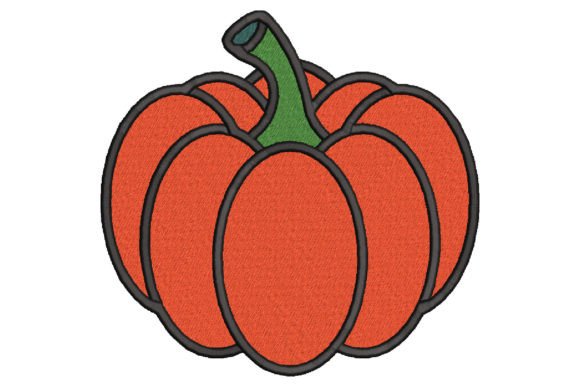
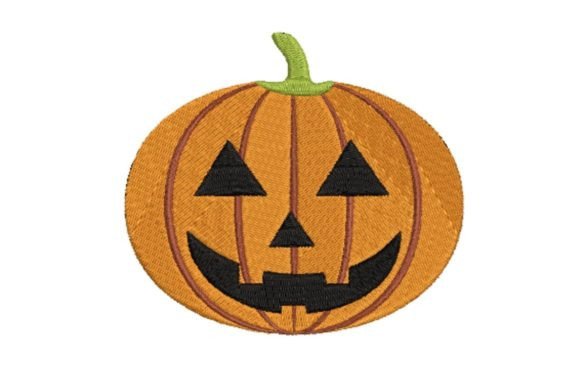
When I first opened the Spooky Halloween Pumpkin embroidery file, I was immediately drawn to its playful yet eerie charm. The design has a classic Halloween mood, with a carved pumpkin face that feels both nostalgic and mischievous. As someone who stitches personalized gifts for a living, I could instantly picture this on a black kitchen towel, a child’s trick-or-treat tote bag, or even a cozy autumn throw pillow. The emotional appeal is strong—it’s not just a pumpkin; it’s a tiny piece of holiday magic that can turn an ordinary item into a seasonal keepsake. The style leans modern with a handmade twist, making it versatile enough for both spooky décor and sweet, family-friendly gifts.
From a detail standpoint, the digitizing appears thoughtful. Clean lines and well-placed curves suggest the stitch density was carefully calibrated. The description notes it’s suitable for beginners and experts alike, which tells me the design likely runs with minimal trims and stable underlay. That’s crucial when you’re producing multiple items for a craft fair or an Etsy seller order. A machine embroidery design that’s too dense can pucker on soft fabrics, and one that’s too light might look sparse after washing. I didn’t see the exact stitch count in the product details, but first impressions point to a balanced file that will hold up beautifully on a range of textiles.
First Stitch-Out: What I Look For Before Customer Orders
I always test a new digital embroidery file on scrap fabric before adding it to my shop’s catalog. For the Spooky Halloween Pumpkin, I hooped a piece of medium-weight cotton twill—the kind I’d use for a pillow cover or an embroidered towel. The design ran smoothly, and I paid close attention to the small details: the jagged mouth, the triangular eyes, and the textured stem. None of those elements felt too fragile, which is a huge relief. Delicate detail can become a headache when stitching on textured fabrics like terry cloth or thick waffle weave, so I recommend avoiding those if the design contains unusually fine segments. For this pumpkin, though, the details are bold enough to translate well on most non-stretchy materials.
Thread color choice matters immensely with Halloween designs. I tested with a bright orange rayon against a dark charcoal background, and the contrast popped beautifully. Swapping to a neon green or a softer amber could give the same pumpkin entirely different energy—one more retro, the other more elegant. I always tell fellow small shop product owners to keep a thread chart handy and offer a few color variations in their printable mockup previews. Buyers love seeing how a personalized gift can shift in mood just by changing thread hues.
Where This Design Truly Shines
This Spooky Halloween Pumpkin is a seasonal star, but its charm isn’t limited to just one type of product. The design’s size—though I’d recommend confirming the hoop size with the digitizer—seems ideally suited for a range of handmade product items. I’ve mentally mapped out several applications that would make compelling finished product listings:
- Kitchen towels – A black or orange flour sack towel with this pumpkin in the corner becomes an instant hostess gift for an October gathering.
- Baby blankets – For a Halloween baby shower, a soft minky or flannel blanket with a small pumpkin motif adds a festive touch without being overwhelming. It’s a sweet way to introduce baby embroidery into a seasonal collection.
- Tote bags – A canvas tote customized with the pumpkin and a child’s name is a top seller on Etsy for trick-or-treating or library trips.
- Aprons – A bistro-style apron with this pumpkin on the pocket feels whimsical and shop-ready for bakeries or home cooks.
- Pillow covers – A neutral linen pillow cover with the pumpkin centered creates a sophisticated autumn throw pillow that works for a wedding gift if the couple loves Halloween or has a fall wedding date.
- Nursery decor – Framed in a small hoop, the stitched pumpkin becomes a piece of framed art for a Halloween-themed nursery wall.
In each case, the design adds a handmade, personal touch that elevates the perceived value. Customers are drawn to items that feel thoughtfully crafted rather than mass-produced. A custom embroidery piece like this tells a story, and that emotional connection is what drives repeat business and five-star reviews.
When to Use Extra Caution
No design is perfect for every surface, and the Spooky Halloween Pumpkin is no exception. I’ve learned through trial and error that even the best digitized file can misbehave if you ignore fabric behavior. Here’s where I’d exercise extra care:
- Stretchy baby clothes – Onesies and knit fabrics need a cutaway stabilizer and a basting box to prevent distortion. The pumpkin’s relatively compact shape may handle it well, but always test first.
- Thick or textured towels – The loops of a terry towel can swallow small stitch details. Use a water-soluble topper so the design sits on top of the loops rather than sinking in.
- Dark fabric – Stitching bright orange on black is stunning, but any tiny gaps in the fill will show the dark background. You may need to adjust the thread colors or add an underlay to prevent grin-through.
- Curved surfaces – Stitching on a mug rug or a rounded cosmetic bag requires precise hooping and possibly a magnetic hoop. If the design has a specific orientation, double-check it stays straight.
- Items needing frequent washing – Kitchen towels and baby blankets will be washed often. Make sure the stitch density isn’t so high that it becomes stiff and crack-prone, and always recommend a gentle wash and low-heat dry to customers.
Small lettering is another common pitfall, but this design doesn’t include built-in text. If you plan to add a name or date alongside the pumpkin, use a separate embroidery file or your machine’s built-in fonts, and test the combination on a scrap first. The pumpkin’s character might clash with overly ornate fonts, so I’d pair it with a simple, bold sans-serif.
How It Performs as a Personalized Gift Product
Giftability is where the Spooky Halloween Pumpkin truly wins. A customer who wants a meaningful personalized gift for Halloween often struggles to find something that isn’t disposable. A custom-embroidered item with a pumpkin design becomes a keepsake that can be unpacked year after year. I’ve had customers order pumpkin-embroidered fleece blankets for their grandchildren, and they tell me the children insist on using it every October, even after they’ve outgrown the “spooky” phase. That kind of emotional staying power is gold for a small business.
For wedding gift shoppers, a pumpkin might seem unconventional, but think of a fall wedding with a rustic theme. A set of embroidered napkins or a ring bearer pillow featuring this design could be a stunning, highly shareable product. The key is presentation: I always create a printable mockup for custom order previews, showing the pumpkin on the actual product. This builds buyer confidence and reduces questions about scale and placement.
In terms of commercial embroidery, this design is a smart addition to any seasonal lineup. Its beginner-friendly nature means you can train new staff quickly, and its visual impact justifies a premium price. I’ve noticed that products with a clear, recognizable holiday motif often sell faster at craft fairs than generic floral designs. The pumpkin’s “spooky” character is mild enough to appeal to children and adults alike, which broadens your customer base. You’re not locking yourself into a niche of hardcore horror fans; you’re welcoming anyone who loves the fun of Halloween.
Practical Embroidery Checklist for Selling Finished Products
Before you list an item featuring this design, run through the steps I swear by in my own shop. These small habits protect your reputation and your bottom line.
- Test on scrap fabric that matches the final product. A cotton swatch is not the same as a finished canvas tote. The feel of the stitch will change, and you’ll catch any tension issues early.
- Check thread color contrast in natural and artificial light. What looks vivid under a ring light might appear muddy on a shelf. I compare my stitched sample under both warm and cool bulbs.
- Confirm the hoop size and design dimensions. Since the product description mentions the design comes with multiple formats, verify the hoop size required for each version. Nothing frustrates a customer more than a gift that arrives with a cramped, off-center design because the hoop was too small.
- Review stitch density after the cool-down. Let the fabric rest for a few hours, then run your hand over the design. It should feel soft but full, not stiff or scratchy.
- Use the right stabilizer for the fabric. Cutaway for knits, tear-away for woven cotton, and a water-soluble topper for plush surfaces. I can’t overstate how much a proper stabilizer affects the final look of a blanket embroidery or towel project.
- Compare light and dark fabric mockups. Digitally overlay the design on a few product photos. A design that looks sharp on white might vanish on a busy pattern. The pumpkin thrives on solid backgrounds, so I’d steer customers away from heavily printed fabrics.
- Check small details after stitching. Look for loose threads, missed stitches, or any pulling. A quick trim and a heat press can smooth out minor imperfections before you ship.
- Confirm commercial licensing before selling finished products. The product description is brief, and I don’t see a clear statement about commercial use. Always reach out to the digitizer or read the full license terms if they’re available. Many digital embroidery file sellers allow finished goods sales, but you need to be certain.
Photography and Presentation Tips for Etsy and Craft Fairs
An embroidered towel or pillow cover with the Spooky Halloween Pumpkin sells itself when styled well. I like to photograph these items with seasonal props—a few cinnamon sticks, a miniature pumpkin, or a vintage lantern—to create a cozy, autumnal scene. The emotional connection starts with the first image a buyer sees. If you’re selling a baby embroidery product, a soft, dark blanket with the pumpkin and a tiny crocheted hat nearby tells a story of warmth and family tradition. For a wedding gift, a refined linen napkin with the pumpkin and a sprig of dried eucalyptus evokes an elegant fall celebration.
In your Etsy seller listing, include a close-up of the stitch quality, a mockup of the design on a light and dark fabric, and a photo of the back of the embroidery to show the stabilizer coverage. Buyers who understand the craftsmanship will trust you more. Use natural language in your description: “This personalized pumpkin tote is stitched with care and ready for all your Halloween adventures.” That kind of warmth converts browsers into buyers.
Final Thoughts Before Adding to Your Catalog
The Spooky Halloween Pumpkin fills a specific, joyful niche. It’s a design that doesn’t take itself too seriously, yet it’s polished enough to be the centerpiece of a handmade product line. I’d confidently recommend it to any small shop product owner who wants to expand their seasonal offerings without investing in overly complex files. The versatility across towels, blankets, totes, and nursery items makes it a workhorse for the two months leading up to Halloween.
If you’re a beginner, the smooth learning curve will help you refine your hooping and stabilizer skills. If you’re an expert, you’ll appreciate the clean digitizing that lets you focus on creative presentation rather than troubleshooting. Just remember to check the file details—hoop size, stitch count, and license—before you stitch for a paying customer. A little preparation goes a long way, and with this pumpkin in your design library, you’re ready to craft seasonal gifts that feel both spooky and heartfelt.