Sweater Weather Gnomes Pumpkin
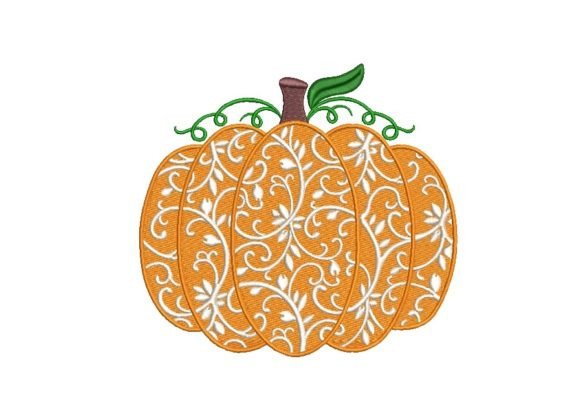
Some embroidery designs land in your inbox and you immediately know exactly where they belong. Others take a little more thought. Sweater Weather Gnomes Pumpkin falls into that sweet spot where the theme is instantly readable, the mood feels cozy and seasonal, and the composition has enough personality to stand on its own without overwhelming the fabric it sits on. That is not always an easy balance to strike, especially with autumn designs that can lean too heavily on generic pumpkins or overly busy layouts.
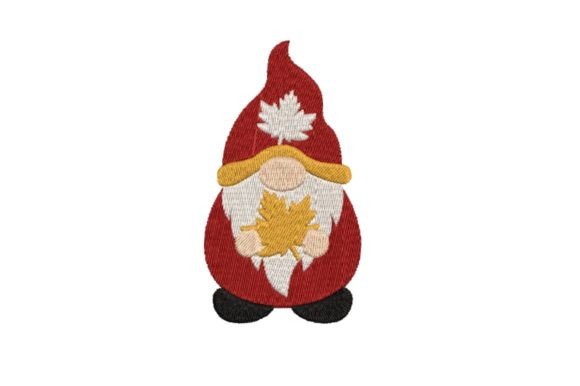
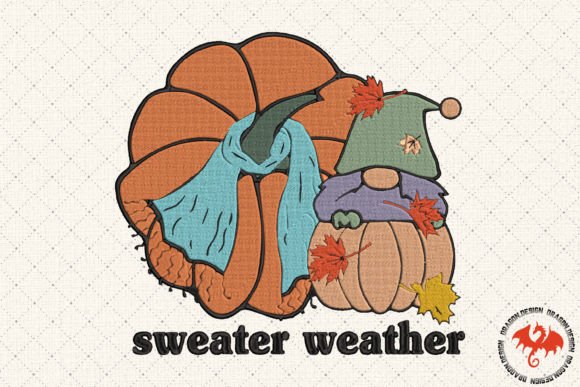
What I noticed first about this piece was the way the gnome characters interact with the pumpkin element. The sweaters, the textured hats, the little details that suggest crisp air and falling leaves—it all reads as intentionally designed rather than thrown together. From a reviewer's standpoint, the real question is whether that visual charm holds up once the needle hits the fabric. Most designs look fine on a screen. The ones worth recommending look even better stitched out.
The Cozy Mood This Design Creates Before a Single Stitch
Before I ever load a design into my machine, I spend time looking at it the way a customer would. Sweater Weather Gnomes Pumpkin carries a gentle, warm energy that makes you think of spiced cider, knit blankets, and front porch pumpkins. The gnomes themselves feel approachable rather than cartoonish, which matters a lot if you plan to use this on products meant for adults as much as for children. Too many gnome designs skew juvenile. This one sits comfortably in a middle ground where it could live on a kitchen towel, a throw pillow, or even a cozy sweatshirt without feeling out of place.
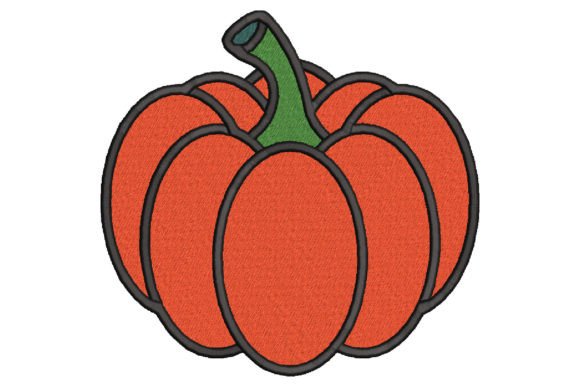
The pumpkin anchors the composition nicely. It gives the eye a place to rest while the gnomes add movement and character around it. That kind of visual hierarchy is something I always look for. Without it, even a well-digitized design can feel chaotic once stitched. Here, the balance feels intentional, which tells me the original digitizer understood how embroidery behaves on fabric, not just how it looks on a screen.
Picturing This on a Finished Product
I have a small batch of natural canvas tote bags sitting in my studio right now, waiting for the right autumn designs. As I examined Sweater Weather Gnomes Pumpkin, I kept coming back to those totes. The design has the kind of seasonal warmth that makes someone want to carry it to a farmers market or a weekend craft fair. The colors, assuming you choose thread that leans into the sweater texture and pumpkin tones, would pop beautifully against an unbleached cotton background.
But tote bags are just one possibility. I could also see this working on a crewneck sweatshirt in a soft cream or heathered oatmeal. The gnome sweaters would feel almost thematic against a knit-like fabric texture. On a structured apron, the design would add a touch of personality without becoming too loud for a kitchen setting. And for those of you who sell handmade product lines at fall markets, this design on a set of tea towels or pillow covers could easily become a seasonal signature piece.
What strikes me most is how flexible the design feels. It is not so specific that it only works for one type of project, yet it is not so generic that it disappears into the background. That versatility is valuable for Etsy seller shops and small shop product lines where you need designs that can stretch across multiple listings without looking repetitive.
How the Stitching Is Likely to Hold Up
Without running this exact file through my machine yet, I can still make some educated observations based on the design structure visible in the preview. The shapes appear clean, with defined edges that suggest well-placed satin stitch borders and thoughtful fill stitch areas. The gnome hats and sweaters look like they will benefit from careful stitch density settings, especially if you plan to stitch this at smaller sizes.
One thing I always advise fellow embroiderers to check is how the running stitch underlay handles the transition between the gnomes and the pumpkin. If those elements are too close together without proper separation, the fabric can pucker or the details can blur. Based on the layout, the spacing looks reasonable, but I would still recommend a test stitch on scrap fabric before committing to a final embroidery project. That is just good practice, especially when you are preparing items for a craft business or client order.
The design also appears to avoid the common pitfall of overly dense small areas. Tiny details like gnome noses or sweater patterns can become problematic if the digitizer packed too many stitches into a tight space. From what I can see, the detail level seems balanced for real-world stitching on medium-weight fabrics. If you plan to stitch this on anything thinner than a standard cotton, pay extra attention to your stabilizer choice. A good cutaway stabilizer will help maintain the integrity of those finer details through washing and regular use.
Where You Should Use This Design Carefully
No design works everywhere, and Sweater Weather Gnomes Pumpkin is no exception. I would hesitate to stitch this on highly textured fabrics like thick terry cloth or chunky knits. The gnome details, while clean, need a reasonably smooth surface to read clearly. Stretchy fabrics are another area where caution is warranted. If you are determined to put this on a t-shirt or a lightweight jersey, use a sturdy stabilizer and consider a basting stitch to hold everything in place. Skipping that step on stretchy material often leads to misalignment and wavy edges.
I would also be mindful of hoop size limitations. The design looks like it wants a medium to large hoop to maintain its proportions. Shrinking it too far down might cause those sweater details and facial features to lose definition. Before purchasing, confirm the exact dimensions and your machine's maximum stitch field. That is one of those practical checks that saves you from frustration later.
Dark fabrics present another consideration. The autumn tones in this design likely rely on warm, medium-value thread colors. On a black or navy background, some of those hues might lose contrast. A quick test on both light and dark fabric swatches would tell you whether you need to adjust your thread colors for better visibility. I have learned that lesson the hard way with seasonal designs that looked rich on white but washed out completely on charcoal.
What This Design Does for Your Product Value
When you stitch Sweater Weather Gnomes Pumpkin onto a custom apparel piece or a personalized gift, you are adding more than decoration. You are adding a feeling. That matters because buyers respond to emotion before they respond to technique. A well-executed autumn design makes someone feel nostalgic, cozy, and ready for the season. That emotional pull translates directly into higher perceived value and stronger buyer engagement.
From a branding perspective, this design can help small shops build a consistent seasonal identity. If you sell at craft fairs or through an online marketplace, having a recognizable autumn collection builds customer trust over time. Returning buyers start to associate your shop with a certain quality and aesthetic. Sweater Weather Gnomes Pumpkin fits neatly into a broader autumn narrative without feeling like a copy of every other pumpkin design on the market. That originality is worth protecting, especially if you are investing time and materials into finished product inventory.
I also think about giftability. A design like this works beautifully on items that people give as hostess gifts, Thanksgiving presents, or fall birthday surprises. An embroidered tea towel or a pillow cover with these gnomes has an immediate handmade charm that feels thoughtful rather than mass-produced. That is the kind of giftability that keeps customers coming back for more.
Practical Notes for Embroidery Designers and Sellers
I have a short mental checklist I run through before using any new machine embroidery design in a commercial context. Here is what I would recommend for this one:
- Test the design on a fabric scrap that matches your final product as closely as possible. Do not test on stiff cotton and then stitch on a soft blend. The results will not translate.
- Check stitch density in the gnome sweaters and the pumpkin body. If those areas feel too heavy after stitching, you may need to adjust your machine settings or contact the digitizer.
- Review the design in a black and white mockup. This helps you see whether the value contrast holds up without relying on color alone. Strong designs still read clearly in grayscale.
- Confirm the embroidery file formats included before purchasing. The description mentions multiple formats, but you should verify that your specific machine is supported.
- Use a quality stabilizer appropriate for your fabric type. For most medium-weight cottons and canvases, a medium-weight cutaway works well. For stretchy or thin fabrics, go up in stabilizer strength.
- Inspect the design for any small lettering or extremely fine details. If present, those are the first areas to cause trouble on textured or loosely woven fabrics.
- Check the licensing terms before selling finished items. The description indicates the design can be used commercially, but you should confirm whether any restrictions apply to digital embroidery file resale or printable mockup usage.
These steps are not unique to this design. They are habits I have built over years of stitching for clients and running a craft business. The difference between a professional result and a disappointing one often comes down to preparation, not the design itself. Sweater Weather Gnomes Pumpkin looks like a strong file, but your process determines whether that strength shows up in the final stitch.
Real Talk from Someone Who Stitches for a Living
I have used plenty of autumn designs that looked promising but fell apart in execution. Thread breaks, poor registration, weird gaps between color blocks—these are the things that separate a good embroidery design from a frustrating one. Based on what I can observe in this design's layout and composition, I would feel confident loading it into my machine and stitching it on a client project. The elements appear well-spaced, the theme is cohesive, and the overall structure suggests a digitizer who understands how thread behaves on fabric.
If you are building inventory for a fall market, stocking an Etsy shop, or preparing holiday embroidery gifts, this design deserves a spot on your shortlist. It has the warmth, clarity, and seasonal appeal that buyers respond to, and it looks like it will stitch cleanly when paired with the right materials and settings. That is about as honest an endorsement as I can give without actually running the file myself.
For those of you who create design assets or printable mockup previews for your customers, the visual clarity of Sweater Weather Gnomes Pumpkin would also make it a strong candidate for digital presentation. The shapes read well at a glance, which matters when someone is scrolling through listings and deciding what to click on. That instant recognition is part of what makes a seasonal design sell.
Ultimately, a design like this succeeds because it understands what autumn should feel like. Cozy, a little whimsical, rooted in tradition but not stuck in it. The gnomes in their sweaters, gathered around that pumpkin, tell a small story. And when you stitch that story onto a tote bag, a sweatshirt, or a pillow cover, you are giving your customer something that feels personal and seasonal in the best way. That is the kind of embroidery project I am always happy to recommend.