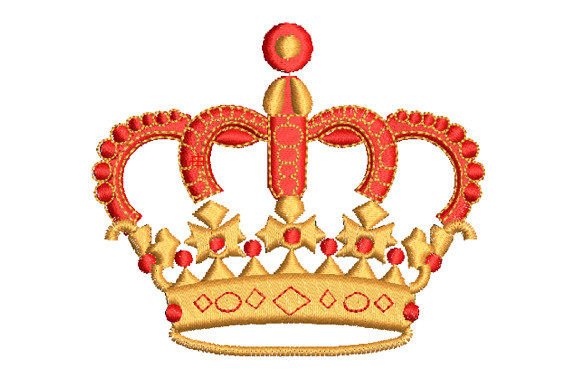
The Former Crown of the Royal Family Embroidery Review
When I first opened the file for The Former Crown of the Royal Family, I immediately understood why this design got its name. It carries a cinematic, almost nostalgic weight — the kind of regal crest you’d expect to see in a period drama, reimagined as a clean, wearable embroidery asset. The description says it was inspired by going to the movies based on past events, and that storytelling DNA translates into a decorative crown motif that feels both heritage-rich and surprisingly adaptable. For small business owners, that’s a winning combination: you get a design that suggests tradition, quality, and a touch of luxury without being stuffy. The visual language is formal but not cold, ornate but not overwhelming. It’s the kind of embroidery that could elevate a simple cotton tote into a branded keepsake or turn a basic cap into a premium statement piece.
As a working embroidery designer, I’m not just looking at how pretty a design is. I’m thinking about stitch density, scalability, thread path, and how it will hold up after fifty washes on a work apron. The Former Crown of the Royal Family passes the first critical test: its silhouette is strong and recognizable. The crown shape reads instantly, even from a distance, which is essential for logo-style embroidery. The inspiration from high-ranking royal attire gives it a structured, symmetrical feel that works well for team logos, as the description notes, but also for any brand that wants to project stability, craftsmanship, or a premium handmade aesthetic. It’s elegant without being fragile, and that balance is rare in machine embroidery designs marketed for commercial use.
First Impressions: Visual Personality and Business Potential
Right away, The Former Crown of the Royal Family stakes a clear claim: it’s decorative, regal, and intentionally cinematic. There’s no attempt at a rustic or playful vibe here — it’s confident, polished, and unapologetically ornamental. For a small café wanting to embroider a subtle crown on its aprons, or a boutique stationery brand looking for a patch to sew onto canvas pouches, this design brings an immediate aura of custom luxury. It’s the difference between a generic star or heart and something that feels deliberately chosen, like a mark of distinction. The product category Accessories and the type Embroidery hint at its versatility: it’s not just a patch; it’s an accessory in itself, a wearable piece of branding that can be applied to dozens of surfaces.
However, the ornate nature of the crown means it’s not a one-size-fits-all solution. The details — the peaks, the points, the inner curves — demand a certain level of stitch precision. If you’re a handmade brand or an Etsy seller who relies on delicate, high-end presentation, this design will work beautifully. If you’re a sports team wanting a mud-resistant, high-abrasion logo, you’ll need to test its durability on dense fabrics. The main takeaway from my first look: The Former Crown of the Royal Family is a design that invites you to build a brand story around it. Use it intentionally, and it will reward you with a cohesive, upscale identity.
Embroidered Patches and Brand Marks
The most obvious use for this design is as an embroidered patch. Whether you’re selling standalone patches at a craft fair, packaging them as a free gift with every purchase, or sewing them onto your product line, a crown patch carries instant recognition. It can serve as a primary logo for a small business, especially one in the luxury, heritage, or artisanal space. I can see florists, bakeries, and independent bookstores adopting it as a chest-level accent on jackets or aprons. Because the design is symmetrical, it works beautifully as a focal point without needing any text. Keep in mind that patch edges need to be finished — either with a merrow border or a satin stitch — so the outermost elements of the crown should have enough clearance to not get trimmed off. The file’s stitch density will determine how cleanly you can cut around it, so always sew a test sample before committing to a production run.
Staff Uniforms, Aprons, and Workwear
For custom apparel and uniforms, The Former Crown of the Royal Family offers a non-cheesy way to brand your team. I’ve seen too many small businesses default to a basic text logo on a polo, and they miss the chance to make their staff look like ambassadors of a premium brand. A crown embroidery on the left chest of a linen apron, or centered on the back of a utility shirt, immediately raises the perceived value of the uniform. It signals that the business cares about details. For a café or a bakery, a crown suggests a royal seal of quality — as if the pastries are fit for a king. For a pet brand, a crown on a bandana or a handler’s vest adds a playful but polished touch. The only caution: if the uniform is a dark color, ensure the thread colors are chosen to contrast well, because a crown with many fine detailing can get lost on black or navy without careful color mapping.
Caps, Tote Bags, and Customer Merchandise
When it comes to cap embroidery and tote bag design, the crown’s vertical orientation is a natural fit. On a cap, the front center panel is the prime real estate. A crown that sits slightly taller than wide can make the cap look structured and intentional. However, if the design is too wide or its points are too sharp, it may not follow the cap’s curve nicely. I recommend test-stitching it on a structured cap and adjusting the placement so the design doesn’t buckle. For tote bags, the crown becomes a stamp of quality. A canvas tote with a gold or silver thread rendition of The Former Crown of the Royal Family looks like a luxury accessory, not a freebie. It’s the kind of design that encourages customers to reuse the tote, turning it into a walking advertisement. For small businesses selling branded merchandise, this is a huge plus: the embroidery must hold up to repeated washing without losing its shape or thread sheen. Always test it on the exact fabric you’ll use, and consider a medium-weight stabilizer to prevent puckering on unstructured bags.
Impact on Brand Identity and Customer Perception
You wouldn’t slap a clip-art elephant onto a high-end jewelry box; the same principle applies to machine embroidery. The Former Crown of the Royal Family helps a small business build a brand identity that feels established and trustworthy. When customers see a regal crown emblem on a product, their brain associates it with heritage, quality, and a certain level of exclusivity. It’s a shortcut to emotional connection. For a handmade product, this can be the difference between a one-time sale and a loyal follower who feels like they’re part of a select club. The crown’s cinematic origin — those movie-inspired past events — gives it a narrative depth that can be shared in marketing. A boutique could say, “Our brand draws on the elegance of cinema’s golden age, symbolized by the crown on every handmade piece.” That kind of story boosts engagement and justifies a higher price point.
Visual consistency is another major win. Because the crown is self-contained, it can be used across multiple touchpoints: packaging, website, social media mockups, business cards, and even wax seals or stickers. The embroidery file becomes a master asset that ties everything together. When a customer sees the crown on a tote bag, then on a store window decal, and then on a staff member’s apron, the repetition builds brand recognition. Trust compound. It’s a design asset that works hard for your business long after the digitizing is done.
Practical Embroidery Designer Notes for Flawless Execution
No matter how beautiful a digital mockup looks, the real test is thread on fabric. Here are the non-negotiable steps I follow whenever I evaluate a design like The Former Crown of the Royal Family for a client’s production run:
- Test in black and white first. Print the design at actual size in grayscale. If the crown’s inner details become a muddy blob, the stitch density may need adjustment or the design may not be suitable for very small sizes.
- Check small patch size viability. The design’s ornate peaks and curves can close up when scaled below 2 inches. Stitch out a sample at the intended patch size and inspect for thread breaks or loss of detail.
- Review thread color contrast. Royal crowns often rely on metallic gold or silver, which can be finicky. Test on the actual garment color — a dark navy apron will swallow dark navy thread, so adjust the palette accordingly. Use contrasting outlines if needed.
- Inspect spacing and underlay. Open the file in your embroidery software and check the stitch angles. Proper underlay prevents the crown’s edges from sinking into textured fabrics like canvas or denim.
- Confirm hoop size and registration. Never assume the design fits your standard hoop. Measure the sew field and add at least 1 inch of clearance around all sides. Misregistration on a symmetrical crown is painfully obvious.
- Test on the real fabric. A sample stitched on smooth quilting cotton will behave differently than on a fleece-lined hoodie or a poly-cotton apron. Always test on the final substrate.
- Use the right stabilizer. For crowns with dense fill stitches, a cut-away stabilizer is often safer than tear-away, especially on stretchy fabrics. It prevents shifting and keeps the design crisp over time.
- Create a printable mockup. Before sewing a single stitch, show the client a printable mockup of the crown on their product. This manages expectations and catches sizing issues early.
- Compare it beside other design assets. If the business already has a wordmark or an icon, place the crown next to it digitally. Ensure the visual weight is balanced and the styles don’t clash.
- Verify commercial licensing. The product description doesn’t specify license terms, so always confirm with the file seller that you have the right to use The Former Crown of the Royal Family on items for resale, especially if you plan to sell embroidered merchandise or patches.
Where to Be Cautious with This Design
While the crown is a strong performer, it’s not without its pitfalls. Small patch sizes are the biggest enemy. If a customer asks for a one-inch crown patch on a shirt collar, I’d push back — the fine points will likely turn into unrecognizable blobs. The design also leans heavily on symmetry, so any distortion caused by curved surfaces like the front of a cap or a small makeup bag can make it look crooked or off-balance. High stitch density in the crown’s interior details can make the fabric stiff and prone to puckering, especially on lightweight shirts. Always request a sew-out on the exact item before committing to a bulk order. Featuring it on items that need frequent washing, like restaurant uniforms, demands extra attention to thread quality and backing. If the crown uses a lot of jump stitches, those trims can become messy over time, so a professional digitizer might need to clean up the pathing. Finally, the regal vibe might clash with a brand that has a very casual, bohemian, or techie look. Know your brand’s personality before you adopt a crown.
Final Thoughts on The Former Crown of the Royal Family for Small Business Merch
I’ve stitched out hundreds of crown designs, and The Former Crown of the Royal Family stands out because of its cinematic charm and architectural clarity. It’s not a generic icon; it feels like a piece of costume jewelry translated into thread. For a small business, that’s gold. It lets you piggyback on the universal symbolism of royalty, luxury, and excellence while keeping the product entirely your own. Whether you’re running a boutique bakery, a handmade pet accessories shop, or a creative studio, this crown can become the signature mark that customers search for. It’s decorative without being gaudy, formal without being sterile, and it offers a clear bridge between Accessories and Embroidery as a cohesive brand tool.
Just remember the golden rule of embroidery: the design is only half the story. The other half is how you digitize it, hoop it, stabilize it, and present it. The Former Crown of the Royal Family gives you a beautiful starting point. The rest is up to your craftsmanship. Test it relentlessly, mock it up for client approval, and never skip the black-and-white contrast check. When done right, this design can add a touch of luxury wherever your brand appears — on aprons, caps, totes, and beyond — exactly as the product description promises. It’s a regal investment for any small business ready to wear its crown with pride.