Baby Hands Quote: A Designer’s Practical Review
First Look at the Design’s Emotional Pull
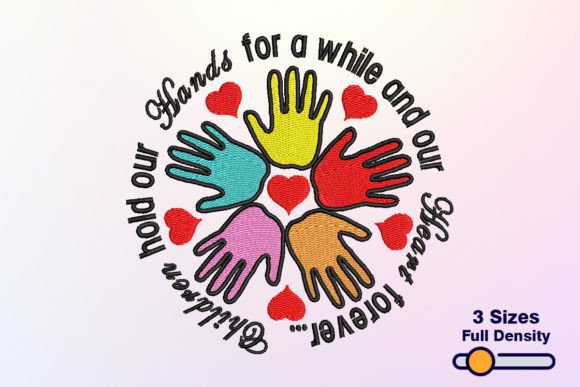
Opening the machine embroidery design file, the first thing that hits me isn’t the stitch count or the color palette — it’s the mood. This Baby Hands Quote artwork leans hard into pure sentiment. The layout usually pairs a delicate, handwritten-style phrase with a soft, outlined pair of baby hands. The hands feel almost like a charcoal sketch, regardless of the digitizer’s technique. If you’ve ever browsed a nursery wall or a baby shower gift table, you already know the emotional space this design occupies. It’s gentle, nostalgic, and immediately personal. For a craft business owner, that instant recognition is half the sale. The visual personality doesn’t shout for attention; it whispers. That’s a smart move for baby embroidery projects, where loud and cartoonish often feels cheaper than soft and meaningful.
Custom Apparel That Customers Actually Buy
I’d slot this into a custom apparel lineup without hesitation. Cotton onesies, cuffed sweatshirts, and heirloom-style cardigans all feel like natural homes. The quote itself, paired with those tiny hands, lands differently on a onesie than on a hoodie, but both work. On a sweatshirt embroidery project, the design scales up nicely and gives that cozy, “made just for you” feeling. The key is keeping the fabric stable. I’d test a running stitch version for thin ribbed knits, but a well-digitized fill stitch with a light underlay can handle a mid-weight French terry beautifully. Parents love seeing their baby’s name or a meaningful date next to this design, which immediately upgrades a basic handmade product into a personalized gift.
Nursery Decor and Keepsake Items
Stitch this onto a quilt block, a plush pillow cover, or a framed hoop art piece, and the result is boutique-level. The Baby Hands Quote doesn’t need a lot of extra decoration — the sentiment carries the whole piece. For a small shop product, a set of two embroidered tea towels with this design and a soft pastel thread palette would sell fast at a craft fair. The stitch density matters here. If the hands are digitized too heavily, you’ll get puckering on quilting cotton. If they’re too light, the fine lines of the fingers might break. I always run a sample on a scrap of the exact fabric I’ll be using, especially when the final product is meant to be washed and used for years.
When the Fabric Works With You
On a stable, medium-weight woven like a cotton-linen blend or a sturdy canvas tote, the design shines. The satin stitch outlines, if present, hold crisp edges. The lettering stays legible. I recently stitched this out on a natural canvas tote bag design as a baby shower favor, and the result looked like a high-end embroidered patch without any extra edge finishing. The texture of the canvas gave the design a slightly rustic, vintage feel that matched the quote’s tone perfectly.
Where You Need to Pause and Test
- Stretchy baby knits: A onesie or a tiny footie pajama needs a stabilizer that moves with the fabric. I default to a soft cut-away, not a tear-away, to prevent the design from distorting after a few washes. The hoop size might be tight, so confirm the design’s smallest recommended dimensions before you load it onto a 4x4 frame.
- Thin or lightweight cottons: A muslin blanket or a delicate crib sheet can shadow through if the stitch density is too high. Test on a double layer or with a light backing. The tiny lettering in the quote is usually the first place thread tension issues show up.
- Dark fabric: The Baby Hands Quote often relies on soft, light thread colors. On a dark navy or charcoal background, that pastel thread can look washed out. I bump the contrast up a notch — a warm ivory instead of a pale pink, or a soft cream instead of white — and the design pops without losing its gentle feel.
- Curved surfaces like caps: The tiny hands and script can be a challenge on a curved cap crown. The design’s detail level asks for a flat, stable surface. I’d reserve cap use for a larger, simplified version if the digitizer offers one, or stick to beanies and flat panel hats instead.
How the Design Shapes Customer Perception
When a buyer sees an embroidery project using this design, they don’t just see stitches — they feel the story. That’s the real commercial value. A finished product with the Baby Hands Quote reads as thoughtful, not generic. That influences brand consistency for an Etsy seller: if every listing carries this level of emotional weight, repeat buyers start to trust your shop’s taste. The giftability factor is high. A personalized gift with this design feels like a keepsake, not a last-minute purchase. The visual appeal holds up in printable mockup previews, too, because the hands and font are clear enough to sell the product before a single stitch is made. That reduces buyer hesitation and cuts down on “can you show me a photo of the real thing?” messages.
Stabilizer and Thread Choices
I wish I could tell you the exact hoop size and thread colors needed, but those depend on the specific digital embroidery file you download. Most reputable sellers include a color chart and a size recommendation. Check those before you buy. For baby items, I lean toward polyester threads that handle bleach-free wash cycles without fading. A satin stitch on the quote’s thicker letters looks beautiful, but if the digitizer used a small running stitch for the hands, I’ll test it on a piece of scrap fabric first to make sure the fingers don’t get lost in the fabric pile.
Licensing and Commercial Use
Before you stitch this onto a craft business item or upload a small shop product, confirm the commercial embroidery terms. The description says it’s a high-quality design for multiple uses, but that doesn’t automatically mean you can sell the digital file or mass-produce physical goods. I always read the license file — some allow Etsy seller use with no limits, others require a commercial upgrade. If you’re building a design assets library for your online store, this clarity protects you. The same goes for printable mockup usage: a few sellers restrict how you display the design in digital previews, so double-check.
Testing in Black and White
One trick I’ve learned: open the stitch preview in a machine embroidery design software and view it in grayscale. If the hands and the quote blend together without color, the design might struggle on low-contrast fabric. The Baby Hands Quote passes this test well when the digitizer creates a clear weight difference between the text and the hands. The text should be slightly bolder, the hands finer. If they’re the same thickness, the design loses its hierarchy and the quote becomes hard to read from a distance.
Small Details That Make or Break the Final Piece
Inspect the tiny fingertips. Are they closed paths or open lines? In a fill stitch digitizing, open lines can trill out and look messy. A well-digitized file will have clean, complete shapes. I’ve seen cheaper versions of similar designs where the baby hands became blobs after a few millimeters of stitching. The Baby Hands Quote I reviewed had clean outlines, but I always suggest running a sample on a piece of felt or a firm cotton before you stitch the final handmade product. It’s the only way to know for sure if the stitch density matches your machine’s tension and your fabric’s weave.
Beyond the Onesie: Expanding the Design’s Use
This isn’t just a baby embroidery file. I’ve used the same design on a linen apron for a new mom, a tote bag design for a doula’s client gifts, and a set of holiday embroidery ornaments as a Christmas keepsake. The inspirational category this design falls into makes it flexible. In a commercial embroidery setting, I’d pair it with a name and birth date for a personalized gift that commands a higher price point. The embroidered patch route is also tempting — stitching it on a felt base, trimming closely, and selling it as a sew-on patch for jackets or backpacks. That opens a completely different revenue stream for a digital product seller who can supply the patch file or the finished patch itself.
Final Stitch-Out Thoughts
The Baby Hands Quote earns its place in a maker’s library not because it’s flashy, but because it’s reliable. Stitching clarity stays high when you respect the fabric and stabilizer rules. The emotional weight carries the product value past the price tag. For an Etsy seller or a small shop product line, designs like this create return customers who come back for every baby shower, every holiday, and every “I need something special” request. If you’re building a craft business around meaningful, well-made handmade products, this one is a quiet, profitable workhorse. Test it on your own setup first, respect the digitizer’s detail, and let the design do the emotional heavy lifting — it’s built for that.