Blessed Mama: A Designer’s Review for Small Business Merch
As an embroidery designer who works daily with small business owners, boutique apparel decorators, and handmade brand creators, I am always on the lookout for machine embroidery designs that do more than just look pretty. They need to function perfectly across a range of real-world products, stand up to production demands, and genuinely enhance a brand’s identity. The Blessed Mama design immediately caught my attention because it combines a warm, modern script with a cute, approachable feel—something that feels both personal and professional. After running it through my usual evaluation process, I can confidently share how this embroidery file performs for custom apparel, branded merchandise, patches, and beyond.
First Impressions: Modern, Cute, and Business-Ready
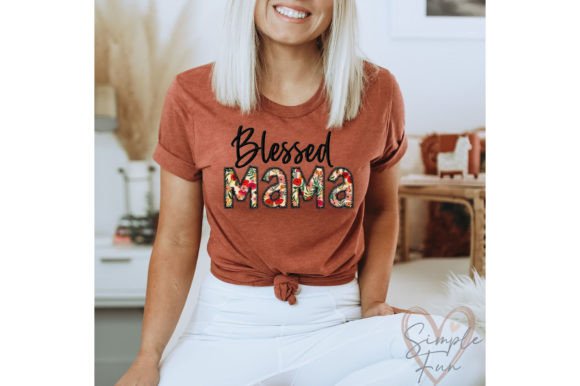
Opening the digital embroidery files, the first thing I noticed was the friendly, elegant typography. Blessed Mama leans into a cursive or semi-script style that reads as handmade yet polished. It’s not overly ornate or childish; instead, it strikes a modern, clean balance. The description calls it “modern and cute,” and I’d agree—it has a soft, uplifting character that feels current without being trendy. This makes it surprisingly versatile. While it’s listed under the Mother category, I can easily see it adopted by a wide range of small businesses: a floral boutique, a cozy bakery, a small coffee shop, a children’s clothing line, a pet brand that wants to celebrate pet moms, or even a wellness studio. The term “Blessed Mama” naturally carries a sense of gratitude and warmth, which can translate beautifully into a brand’s visual story.
Because the design is supplied as a machine embroidery design—not an iron-on or pre-made patch—you have full control over sizing, thread colors, and placement. That flexibility is gold for a commercial embroidery project. The fact that it comes with multiple embroidery file formats is another practical plus, saving you from conversion headaches when working with different machines.
Real-World Use Cases for Small Business Merch
When I evaluate a design for business use, I imagine it on actual products that a shop might sell, gift, or wear themselves. Here’s where Blessed Mama really shines—and where you need to be thoughtful.
Apron Embroidery and Cafe Uniforms
Picture a small coffee shop or bakery. The owner wants aprons and staff shirts that feel personal, not corporate. Stitching Blessed Mama on the chest of an apron immediately adds a homey, welcoming vibe. It’s especially effective for a business run by a mother or that celebrates motherhood. Because aprons are typically flat, stable fabric, the design stitches out cleanly. I recommend using a mid-weight cutaway stabilizer and testing the stitch density so the text remains crisp, even after many washes. This design would also look lovely on a flour sack towel for a bakery’s line of packaged goods.
Tote Bag Design and Boutique Branding
For a handmade shop or boutique, a sturdy canvas tote bag with Blessed Mama embroidered in a corner or center becomes a walking billboard. The design size should be large enough to read from a few feet away, but not so large that it overwhelms the bag’s shape. I’d suggest a placement about 4–5 inches wide, which generally works well for most tote panels. The cute, modern lettering adds a subtle premium feel that encourages customers to reuse the bag, extending your brand’s visibility. If you sell these as merchandise, the perceived value of an embroidered tote versus a screen-printed one is significantly higher.
Cap Embroidery and Sleeve Details
This is where you need to be careful. Caps have a curved front seam and limited flat space, so small lettering can get distorted. Blessed Mama likely contains delicate strokes and possibly small flourishes. If you plan to use it on a cap, test the design at the exact size you intend to stitch. I’d recommend scaling it so the smallest letters are no less than 0.25 inches tall, and always use a cap-specific backing and a clamp frame. A better alternative might be to place it on the back of the cap or on the side, where you have a flatter surface. For sleeve embroidery on work shirts or jackets, this design makes a lovely accent mark—enough to feel branded without being loud.
Embroidered Patch Possibilities
Many small businesses want an embroidered patch they can sew onto denim jackets, backpacks, or even product packaging. While Blessed Mama is not a pre-made patch, you can absolutely digitize it as one. The key is to simplify the design if needed: remove any tiny internal details, thicken the lettering slightly, and add a merrowed or satin-stitch border. I always test the patch design first by stitching it on felt or twill, then cutting it out. The result can become a signature piece that customers love to collect. For a business centered around motherhood, a “Blessed Mama” patch on a baby carrier bag or a mom’s jean jacket is a powerful emotional connector.
Product Packaging Accents and Customer Gifts
Imagine a small candle company or a handmade soap brand. A mini version of Blessed Mama embroidered on a fabric ribbon wrapped around the product adds a one-of-a-kind tactile element. Or, as a customer loyalty gift, stitch the design onto a small linen pouch. These little touches elevate the handmade product experience and make the unboxing memorable. Because the design is digital, you can resize it to fit these tiny applications, but always test stitch out first to ensure legibility.
How Blessed Mama Elevates Brand Identity
Brand identity isn’t just a logo; it’s the feeling your products evoke. Blessed Mama carries immediate emotional weight. It communicates gratitude, warmth, and a personal touch. When you use it consistently across your small business merch—whether on custom apparel, tote bags, or staff uniforms—you build a visual language that feels approachable and genuine. Customers are more likely to trust a brand that feels human, and this design does exactly that. It’s not cold or corporate; it’s a friendly blessing. For a handmade business, that alignment is priceless. It can increase buyer engagement because the message resonates on a personal level, often sparking conversations. I’ve seen similar designs turn a simple t-shirt into a bestseller simply because of the positive message it carries.
From a professional standpoint, the design also adds consistency. If you use it as a recurring brand mark (like a small chest logo on all your apparel), you create recognition. Over time, people associate that script with your quality. Just be mindful of scale: a tiny Blessed Mama on a garment tag or a sleeve creates subtle branding; a larger version on the back of a jacket makes a statement. Both have their place.
Stitching for Success: Practical Embroidery Tips
Every embroidery designer knows that a beautiful design on screen doesn’t guarantee a flawless stitch-out. Here are my non-negotiable checks before you commit Blessed Mama to a production run.
- Test in black and white first. Stitch the design using black thread on white fabric, and white on black. This reveals any density issues, hidden weak spots, or registration problems. If the lettering gets lost on dark fabric, you may need to adjust the satin stitch width or add a slight underlay.
- Check small patch size performance. If you plan to use it as a 2-inch patch or a tiny chest logo, stitch it at that exact size. The “cute” details might close up if the stitch density is too high. Be prepared to simplify the design slightly for very small reproductions.
- Review thread color contrast. The design’s personality can shift dramatically with thread color. Soft pastels lean into the “cute” side; rich jewel tones bring a more premium, elegant feel. Always test the actual thread you’ll use on the actual fabric, because texture and sheen affect readability.
- Confirm your hoop size. The product description doesn’t specify the stitch count or maximum size, so open the embroidery file in your software first. Measure the design’s dimensions and ensure it fits within your hoop with enough clearance for the fabric and stabilizer. Nothing is more frustrating than discovering a design is just a hair too large for your available hoop in the middle of a job.
- Use the right stabilizer. For apparel like sweaters or t-shirts, a no-show mesh stabilizer prevents puckering without sacrificing the drape. For bags and towels, a cutaway stabilizer provides long-term support. On textured fabrics, add a water-soluble topper to keep the lettering crisp.
- Create a printable mockup for client approval. If you’re embroidering for a business client, place the digitized Blessed Mama design onto a photo of the actual garment using software or a simple mockup template. This visual approval step saves you from costly re-dos and sets clear expectations.
- Compare with your other design assets. Does Blessed Mama sit well alongside your logo, your other embroidery files, and your overall brand aesthetic? The design should feel like a natural extension, not a disconnected afterthought.
- Verify commercial licensing. Since the description doesn’t explicitly state the license terms, always check the seller’s policy before using the design on items you plan to sell. Many digital embroidery file purchases include a commercial use license, but some may restrict the number of finished products or require a separate extended license. Don’t skip this step.
Can Blessed Mama Become a Patch? Size and Detail Considerations
Turning a text-based design into a patch requires extra scrutiny. The “modern and cute” styling of Blessed Mama likely means it has smooth flowing lines, possibly with some thinner flourishes. Those thin areas can be problematic if the stitch count is too low or the fabric is too textured. Before you commit to an embroidered patch, ask yourself: will the smallest loop or letter be at least 1.5mm wide in the final stitch-out? If not, you may need to adjust the digitizing or choose a slightly larger patch size. Curved surfaces like the top of a cap can also distort the lettering, so a patch on a flat surface (like a tote bag or the back of a jacket) is generally safer. I always recommend doing a test sew-out on the exact patch material you plan to use, then washing it a few times. This reveals any durability issues and ensures your finished product meets the quality your customers expect.
Final Thoughts on Blessed Mama for Commercial Embroidery
After a thorough review, I consider Blessed Mama a smart addition to any small business’s embroidery design library, especially if your brand voice is warm, personal, or family-oriented. The modern, cute aesthetic translates well onto a wide range of items—from apron embroidery to tote bag design, cap embroidery to custom apparel. It’s flexible enough to serve as a primary brand mark or a subtle accent, and the emotional message it carries can genuinely strengthen customer loyalty. However, like any machine embroidery design, its success depends on meticulous testing, appropriate sizing, and the right stabilizer choices. Don’t just assume it will work at every scale; treat it like a design asset that needs to prove itself on your specific materials. The multiple file formats included are a clear advantage, and once you’ve confirmed the hoop size and stitch density, you’ll be ready to create a finished product that looks both professional and heartfelt. Just remember to double-check the commercial license so you can use this design confidently across your entire merchandise line. When you stitch out Blessed Mama with care, you’re not just decorating fabric—you’re weaving a message that resonates with every customer who sees it.