Luxury Photo Frame Embroidery: A Craft Fair Product Review
First Impressions: Intricate, Elegant, and Undeniably Luxurious
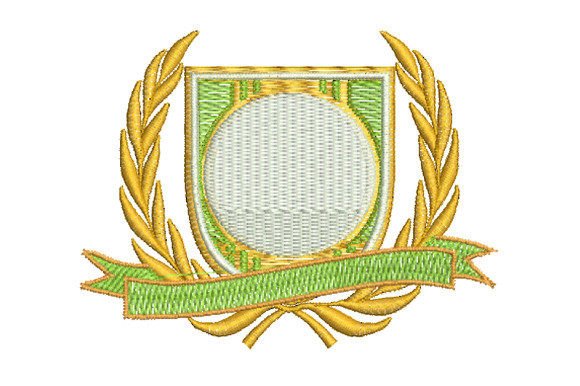
When I opened the Luxury Photo Frame embroidery file, the first thing that struck me was the sheer level of detail. This is not a quick-stitch border you toss on a tea towel in 15 minutes. The description warns that it is “quite difficult and detailed,” and it’s true. The Thai pattern influence is unmistakable — delicate, flowing lines that weave into each other with a rhythm that feels both ornate and structured. It’s a border design that reads as premium, almost regal, and it will immediately elevate any handmade product it touches.
For a craft fair booth, the visual impact is critical. Customers scan tables in seconds. The Luxury Photo Frame design has a bold, decorative presence that catches the eye from across the aisle. It doesn’t feel cute or farmhouse; it leans elegant and sophisticated, with a hint of old-world artistry. If your brand focuses on heirloom-quality pieces or giftable luxury small goods, this design is a natural fit.
Product Placement: Where Luxury Photo Frame Truly Belongs
As I mentally map out my booth layout, I see this design living on a handful of specific, high-value items. It’s not a universal workhorse; it’s a statement piece. Here’s where it makes the most sense:
- Embroidered pillow covers: A single frame motif centered on a linen or velvet cushion becomes a showstopper. The border’s intricacy justifies a higher price tag.
- Fabric pouches and clutch bags: A small, structured pouch with the Luxury Photo Frame stitched on the front flap looks like a boutique find. Use a dark, solid fabric to let the stitching pop.
- Aprons: Place it diagonally across a corner of a bib apron for a refined, custom look that feels miles away from the typical floral or text designs.
- Market bags and totes: On a sturdy canvas tote, the design works as a focal accent near the bottom corner or centered on a pocket. It adds a touch of elegance that makes the bag gift-ready.
- Tea towels: This is a riskier territory. The dense stitch area may cause puckering on lightweight towels, but if you use a high-quality linen-blend towel and the right stabilizer, a framed border along the hem can look exceptional.
I would avoid caps and small patches. The delicate details are likely to lose clarity on a curved cap surface, and tiny lettering or fine lines would blur into an unreadable mess at patch sizes. This is a large focal design, not a tiny accent.
Booth Display Strength: How It Draws the Customer In
At a busy craft fair, you need products that stop a shopper mid-step. The Luxury Photo Frame has a high-contrast, lace-like appearance that invites a closer look. I plan to hang a finished pillow cover on a stand at eye level, with a small sign that says “Heirloom Embroidery.” It’s the kind of piece that makes people lean in and ask, “Is this really machine embroidery?” The intricacy sparks curiosity, and that’s exactly what you want for buyer engagement.
Because the design is so ornate, it photographs beautifully for online listings. When I list these items on Etsy, I’ll be able to use close-up shots that show the thread texture. The depth of the pattern translates well to a printable mockup, too, so I can create digital assets that accurately represent the final product without needing to stitch every single variation first.
Practical Production Notes: Density, Complexity, and Time
This is not a design you rush through. The description mentions “great patience and care,” and I can already see why. The stitch density is high, and there are likely many tiny details that require sharp, small needles and precise tension. I’ll need to run a test stitch on scrap fabric first — definitely not on the final product. I suspect the stitch count is substantial, so production time per item will be higher than average. That means I have to factor stitch time into my pricing.
For batch production, I’ll need to be realistic. If I’m making a dozen pouches, the Luxury Photo Frame will slow me down. I’ll probably reserve it for a limited, premium collection rather than a high-volume line. That aligns perfectly with the luxury feel — scarcity sells.
Stitch Density, Thread Choices, and Fabric Challenges
With Thai-inspired patterns, the fine lines can become problematic if the stitch density is too tight. I’ll watch for areas where the thread might pile up and cause needle breaks or puckering. I’ll use a sharp embroidery needle, probably a 75/11, and a high-quality polyester thread for sheen and durability. Metallic thread could be stunning for a festive version, but I’d test that very carefully on a dense section first.
Dark fabrics are a great choice for this design because the border will contrast beautifully, but they also demand flawless thread tension. Any loose top thread will show instantly. I’ll use a medium-weight cutaway stabilizer for bags and pillow covers, and a no-show mesh for lightweight fabrics like linen tea towels. Hoop size must be confirmed before I start — a border this elaborate might need a larger hoop than I typically use, and I don’t want to discover that halfway through a production run.
Photography and Online Listing Appeal
For digital sellers, how the design looks in a listing matters. The Luxury Photo Frame will produce stunning flat-lay photos. I’ll stitch it on a neutral fabric and photograph it with a photo insert or a dried flower arrangement inside the “frame” to reinforce the luxury concept. The title itself is a strong SEO keyword for Etsy — “luxury photo frame embroidery” is both descriptive and searchable. I’ll pair it with tags like “elegant border embroidery,” “Thai pattern embroidery,” and “decorative frame design.”
If you sell the digital embroidery file itself, the preview image must clearly show the level of detail. A realistic mockup on a cream linen background will communicate quality instantly. Avoid stretching the preview to fit a small thumbnail — the intricacy gets lost. Instead, show a zoomed crop alongside the full design.
Designer’s Pre-Production Checklist
Before I commit to using the Luxury Photo Frame in my craft fair lineup, I’ll run through this list:
- Test on scrap fabric with the exact stabilizer and thread combo I plan to use.
- Check stitch density in the thinnest sections. If I see thread breaks or puckering, I’ll adjust machine tension or digitize a custom version if allowed.
- Confirm hoop size — the border might be larger than my standard 4x4 hoop, so I need to know before I design product layouts.
- Review spacing around the design — a border meant to frame a photo needs enough clear space inside to not crowd the image.
- Create one real mockup on the exact product I’ll sell. A photo of the final piece is non-negotiable for customer confidence.
- Compare fabric colors — test on both light and dark bases to see which sells the design better.
- Verify commercial licensing — if I’m producing finished items to sell, the design must have a clear commercial use policy. I won’t assume anything.
Customer Perception: Why This Design Commands a Higher Price
In a sea of simple monograms and generic floral sprigs, the Luxury Photo Frame stands out as a piece of art. Buyers who appreciate handmade quality will immediately recognize the time and skill involved. I can practically hear the conversation at my booth: “Oh, this is so intricate! How long did it take?” That’s a buying signal. It’s the perfect opening to share the story of the Thai-inspired pattern and the care that goes into each stitch.
This design builds brand consistency if you position yourself as a maker of refined, elegant goods. It’s not for every customer, but the ones who love it will pay a premium. I’d pair it with matching smaller borders or a coordinating monogram to create a cohesive collection.
Final Thoughts: A Worthwhile Investment for the Right Seller
The Luxury Photo Frame embroidery design is a high-risk, high-reward pattern. It’s not a beginner-friendly quick stitch, and it demands patience in testing and production. But for a craft fair seller who focuses on elevated handmade products, it’s a genuine asset. Use it on pillow covers, premium pouches, or statement aprons, and you’ll attract customers who value artistry over cheap impulse buys. Just be ready to explain the intricacy — and price it accordingly.
If you’re a digital seller, this design makes a gorgeous addition to your embroidery file library, especially if you market to boutiques and luxury small shop owners. The border category is timeless, and a well-executed Thai pattern like this one never goes out of style. As always, respect the designer’s work, test thoroughly, and let the stitching speak for itself.