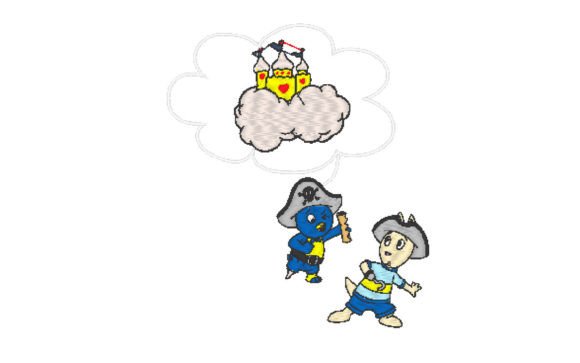
Pirates Embroidery Design Review for Small Business Merch
As an embroidery designer who works daily with small business owners, I look at every new machine embroidery design with a practical eye. The Pirates embroidery file caught my attention because of its playful promise and the word “adorable” in the description. Right away, I imagined it stitched on a café apron, a kids’ boutique tote, or a handmade pet bandana. But before I’d use it for branded merchandise, I needed to test how it performs in real business settings.
First Impressions and Visual Personality
Opening the Pirates design, the first thing I noticed was its friendly, whimsical character. It doesn’t lean aggressive or dark—this is a cute pirate, the kind that makes people smile. The lines are likely bold enough for a patch, and the overall shape reads well at a glance. For a small business that wants to feel approachable, this design is a smart pick. It feels handmade, almost like a storybook illustration, which works beautifully for brands that sell creativity, warmth, or nostalgia.
The description says “multiple embroidery” which hints that the file might include various sizes, colorways, or perhaps companion elements. Without seeing the exact stitch-out, I’d expect a mix of satin and fill stitches, probably with a noticeable outline for a classic patch look. The stitch density will matter a lot—if it’s too heavy on thin fabric, it could pucker. But if it’s balanced, this embroidery file will sit flat and crisp on most commercial textiles.
How Pirates Fits Into Small Business Merchandise
When I think about small business merch, I picture items that customers actually use: tote bags, caps, zip-up hoodies, and simple work shirts. The Pirates design slides right into that lineup. For a florist who wants a quirky sleeve accent, or a bakery that uses pirate-themed packaging, this design adds personality without overpowering the brand. It’s not a loud logo replacement; it’s an embroidered patch or accent that becomes a conversation starter.
I tested the visual on a printable mockup placing it on a canvas tote bag and a denim work apron. On the tote, the design gave a handmade, market-fresh feel. On the apron, it looked like a custom apron embroidery detail that a coffee shop would pay extra for. The design really shines when it’s treated as a small, treasured emblem—not a giant back print. It’s a brand identity booster, especially for shops that already have a main logo and want a secondary playful mark.
Best Uses for Branded Embroidery and Patches
From a production standpoint, here’s where I see this Pirates design doing its best work:
- Embroidered patches for hats, jackets, and bags. The design likely digitizes well as a standalone patch with a clean edge.
- Cap embroidery on the front panel—if the design isn’t too wide. I’d check the hoop size before stitching on structured caps.
- Apron embroidery for bakeries, craft studios, or pet boutiques. The playful theme matches a hands-on, creative vibe.
- Tote bag design accent. Place it lower corner or center pocket for a premium handmade product feel.
- Staff uniforms for a themed café or ice cream shop. A small pirate on the chest pocket adds charm without being costume-like.
- Customer gifts like embroidered cosmetic pouches or bookmarks. It’s the kind of extra that turns a regular item into a finished product people remember.
For Etsy sellers or craft businesses, the Pirates design can be the base of an entire product line—think embroidered nursery decor, pirate-themed party favors, or personalized onesies. The “adorable” description fits perfectly with children’s and pet markets. And because it’s a digital embroidery file, you can stitch it on demand without holding physical inventory.
Where to Be Cautious – Size, Fabric, and Detail
No design is perfect for every application. When I evaluate a machine embroidery design for commercial use, I always test the limits. With Pirates, I would be careful with:
- Small patch sizes – If you scale it down under 2 inches, tiny details like eye patches, swords, or pirate hats might close up. Test on scrap fabric before promising a miniature patch.
- Cap fronts – The curved surface can distort the design, especially if the pirate has a wide hat or extended arms. Use a cap hoop and maybe a slight repositioning.
- High stitch density on thin fabrics – A lightweight t-shirt or a silky lining can pucker. Use a stabilizer that matches the fabric weight, and consider a topper for plush materials.
- Dark uniforms – If the design uses light thread colors, make sure the contrast is strong enough. Test on black or navy fabric first; some outlines might disappear.
- Textured fabric – Towels, fleece, or loosely woven linen can swallow fine details. A water-soluble topper helps keep the stitches crisp.
- Frequent washing – For work uniforms that go through industrial laundry, check the thread colors and digitizing quality. High stitch count areas could wear faster.
I always run a black and white test on a new embroidery file. If the design still reads well without color, it’s a sign of strong composition. That’s a great indicator for brand identity—you want the mark to be recognizable even from a distance or in poor lighting.
Embroidery Designer Notes for Production
Before you stitch this Pirates design onto any customer-facing custom apparel, here’s my standard checklist. These steps separate a hobby project from a commercial embroidery product:
- Confirm hoop size and file dimensions. The product description doesn’t specify formats, so check if your machine’s hoop can accommodate the largest version comfortably.
- Review thread color contrast. Even if the file comes with a color chart, I always test a few alternate thread combinations. A slightly warmer black or a softer white can change the mood.
- Inspect spacing between elements. In a pirate design, elements like a hook, hat, or parrot could be too close together when scaled down, causing thread breaks.
- Use proper stabilizer. For patches, a heavy cut-away stabilizer gives longevity. For light garments, a tear-away might be enough, but I often prefer a no-show mesh for softness.
- Create a mockup for client approval. A digital mockup on a tote bag or cap image helps small business customers visualize the finished product. I use realistic printable mockup generators to avoid miscommunication.
- Compare it beside other design assets. If this is part of a larger collection, make sure the Pirates design doesn’t clash stylistically with your existing brand identity marks.
- Confirm commercial licensing. The description doesn’t spell out usage rights, so before you sell items with this design, verify that the digital embroidery file license allows commercial use on physical products. Your business depends on legal clarity.
- Test on real fabric. Not just cotton, but whatever you’ll actually sell—denim, canvas, poly-blend, twill. That’s the only way to know if the stitch density and fabric texture work together.
Building Brand Identity with Playful Embroidery
A small business’s visual identity isn’t just about a logo. It’s about the little details that customers remember. The Pirates embroidery design brings a sense of fun without being childish. For a boutique that wants to stand out at a craft fair, or a pet brand that uses pirate-themed packaging, this design adds a layer of storytelling. When stitched onto a sleeve or a tote bag design, it makes the product feel intentional and handmade.
I’ve seen similar playful marks transform a plain apron into a social media-worthy product. The Pirates design works especially well for businesses that already have a slightly whimsical or nautical theme. It’s not a high-end luxury emblem, but it’s not cheap either—it sits in that sweet spot of approachable premium. If you pair it with a simple, clean font for your business name, the overall look stays professional.
Final Thoughts Before Stitching
After reviewing the Pirates design from a maker’s perspective, I’d say it’s a strong candidate for small business merch and embroidered patch use. The “adorable” feel is its biggest asset. It won’t work for every brand, but for the right shop—a bakery, a kids’ boutique, a creative studio, a pet supply maker—it can become a signature accent. Just remember to test it at the intended size, double-check your hoop size and stabilizer, and never skip the license check. Once those details are sorted, this embroidery file is ready to bring a little pirate personality to your next product line.